


Kuebebierg: a district powered by a 100% renewable heating network
Kirchberg Plateau

Market sector
Private/public
Number of housing units and buildings
3500 homes
33 hectares

Heat source type
Geothermal and unit heaters
Project number
K-0136
Location
Kirchberg
Contract type
DBFMO
Consumption
(heating/cooling)
12,863
Client
Kirchberg fund
Use
Residential area
Amount excl. VAT
(entire project)
93 M€
Renewable energy for a neighborhood of 3,500 homes
A European first for the energy transition!
Project description
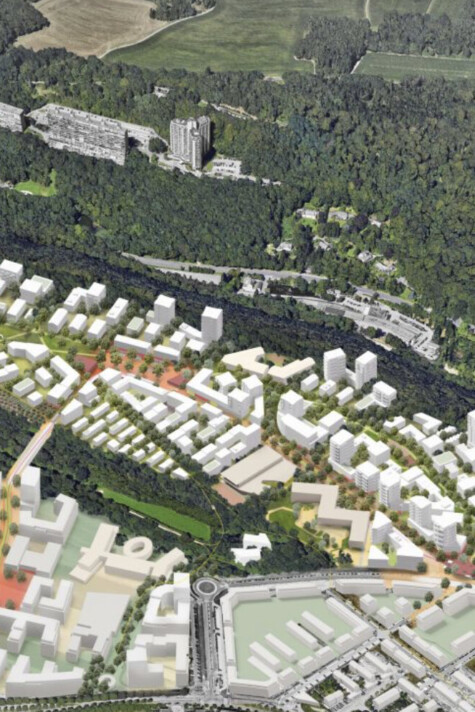
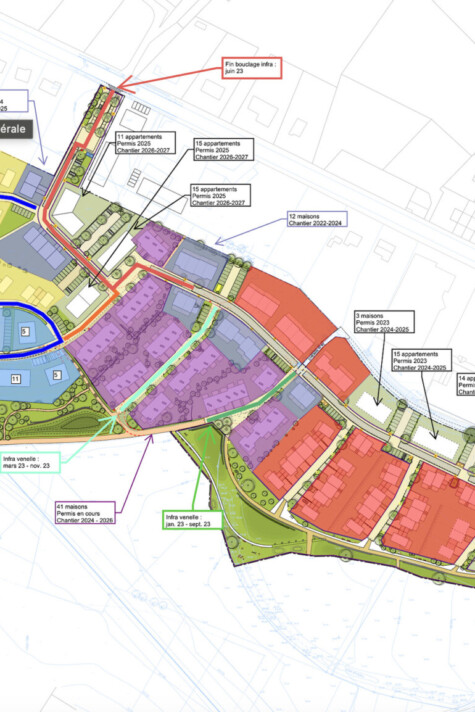
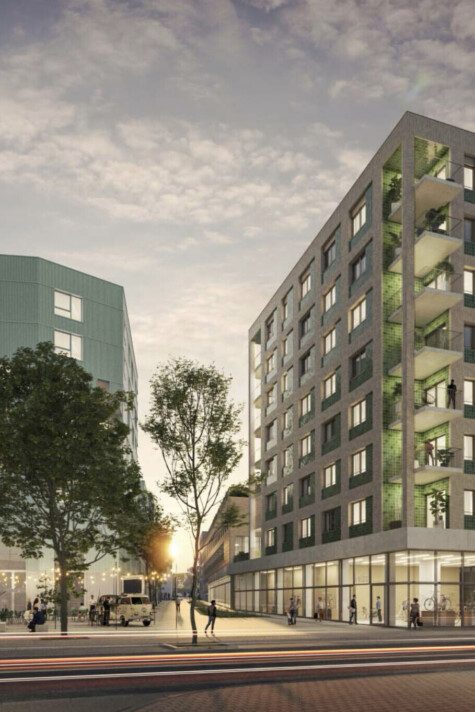
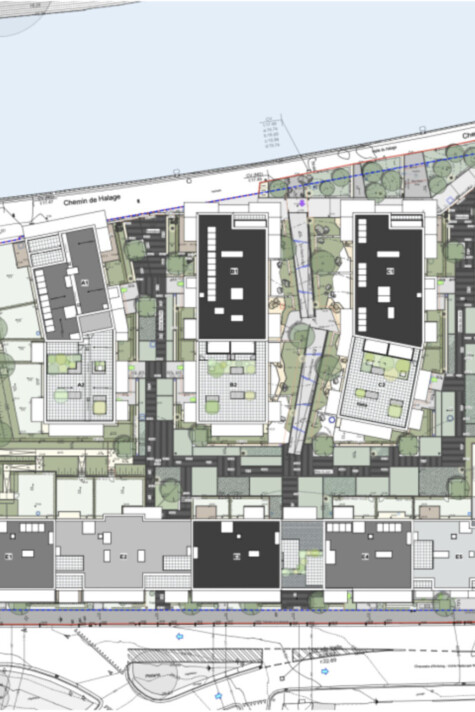
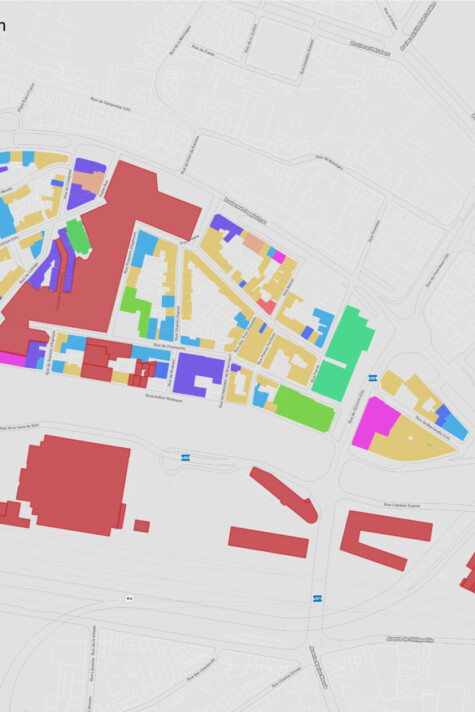
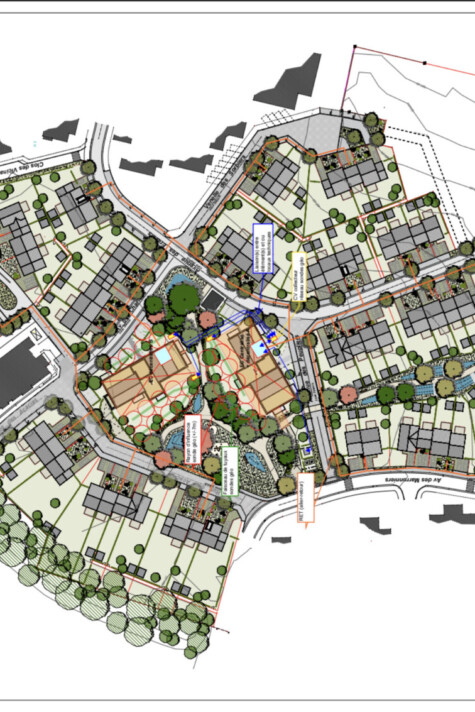
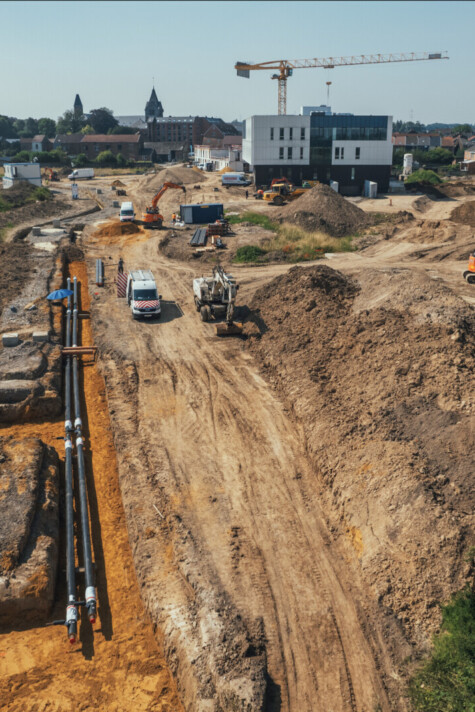
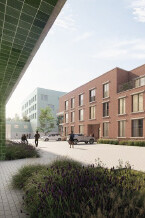
In Kuebebierg, Fonds Kirchberg is developing a pioneering 33-hectare district, where city and nature meet to serve more than 7,000 future residents. Thanks to an energy approach based on efficiency, local production of renewable energies and on-site storage, the district aims to be carbon neutral while offering a high level of comfort.
As a partner in the KCH consortium, Karno is involved in the entire life cycle of the thermal infrastructure – from design to operation. This involvement guarantees a high-performance, flexible and resilient network, helping to stabilize energy costs for residents while making the Kuebebierg a European benchmark for a low-carbon district.
Sourcing
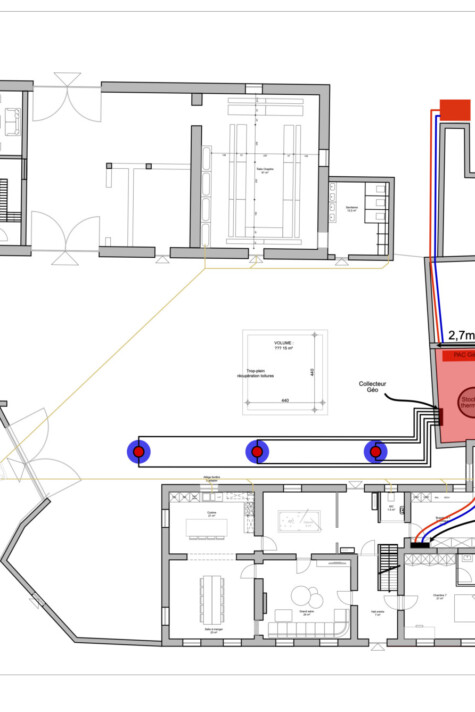
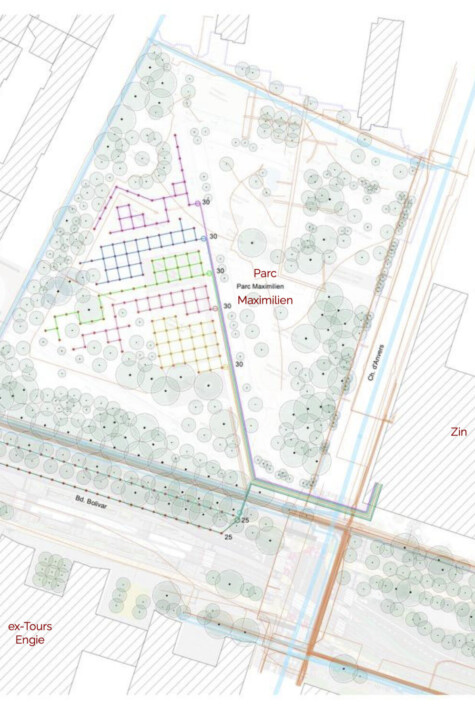
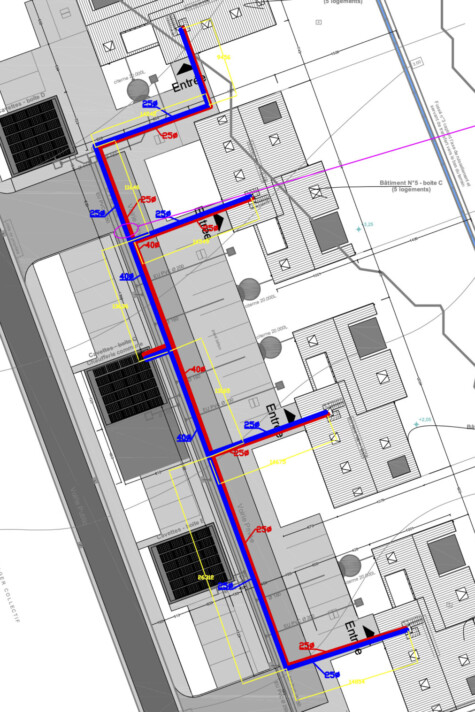
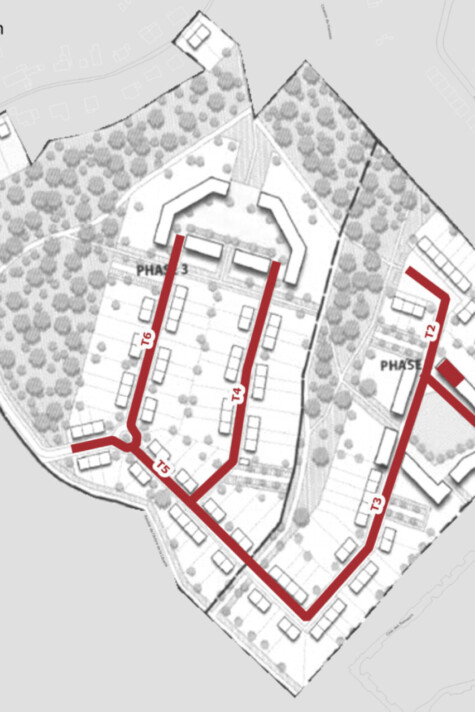
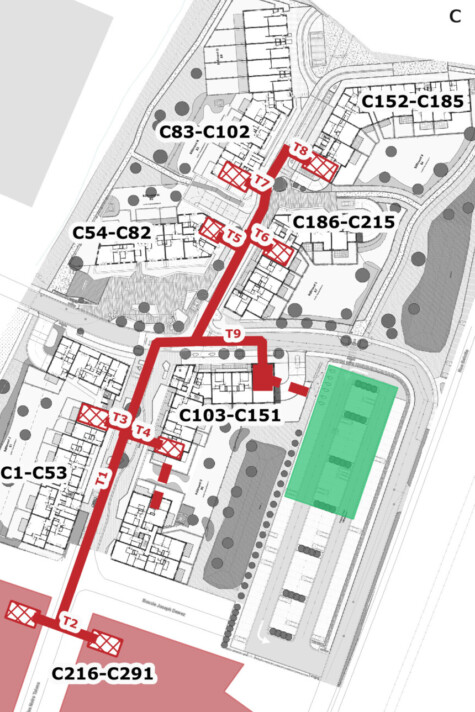
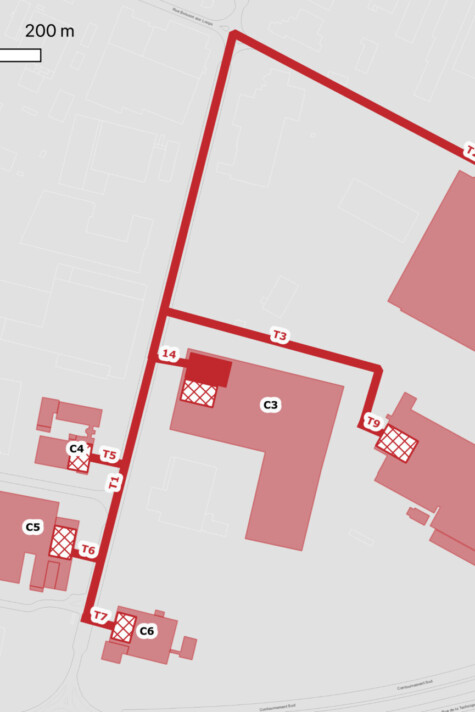
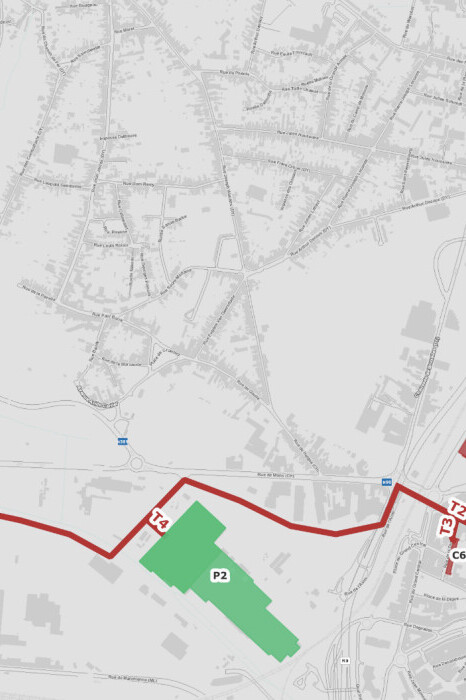
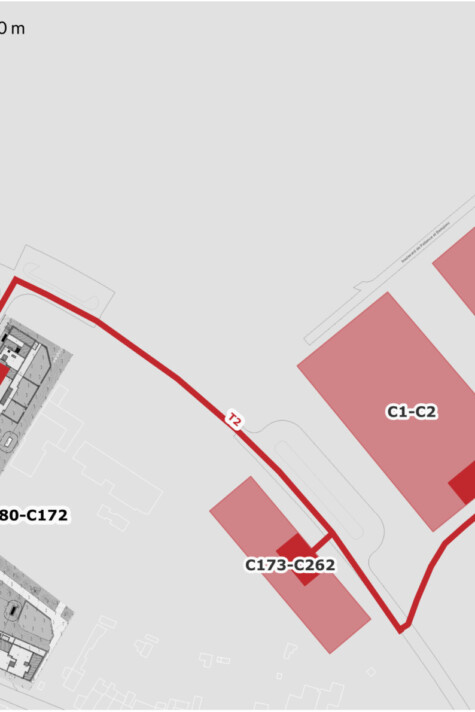
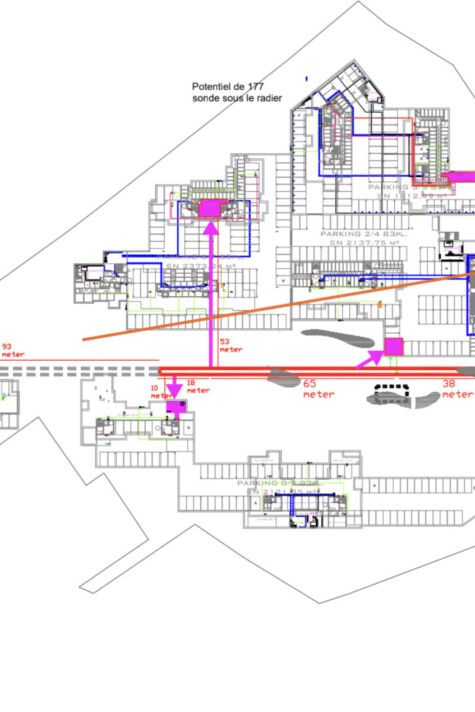
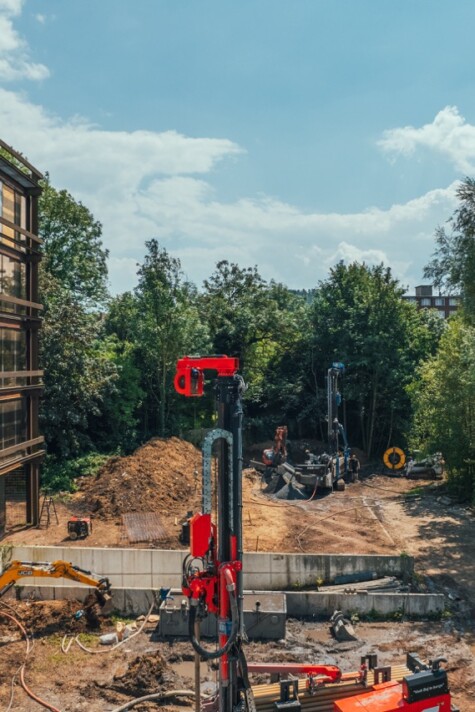
To achieve this goal, Fonds Kirchberg has commissioned a specialist consortium, including KARNO, to build a low-temperature, carbon-free heating network. The system combines 21 decentralized geothermal hubs, an aerothermal power plant and hybrid solar panels to cover almost all the district’s heating, hot water and cooling needs, largely using locally-produced renewable energies.
Project Impact

Energy Saved
12,863 MWH
Of green heat produced over 1 year from 2044 when the district is fully completed.
CO2 Reduction
3 162 T
CO2 avoided per year

Reduced Costs
100%
Decarbonized heat


Benefits for the Community
The Kuebebierg heating network enables the community to sustainably reduce its CO₂ emissions while stabilizing energy costs. It provides a high level of thermal comfort for residents, strengthens the district’s resilience to energy crises and enhances the Kirchberg as a showcase for low-carbon urban planning.
Do You Have a Heating Network Project?
Our other Projects