



Market sector
Private and public
Number of housing units and buildings
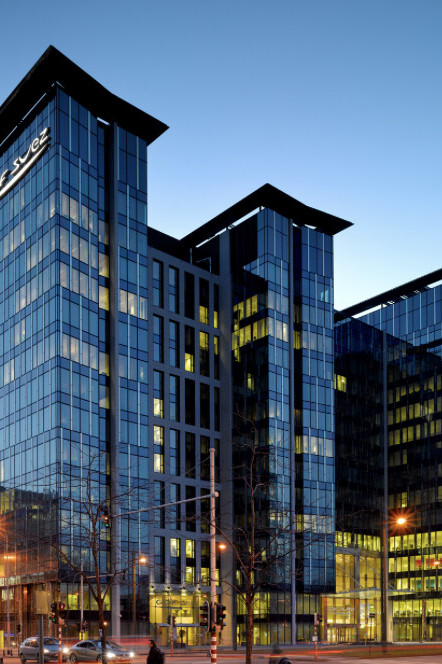
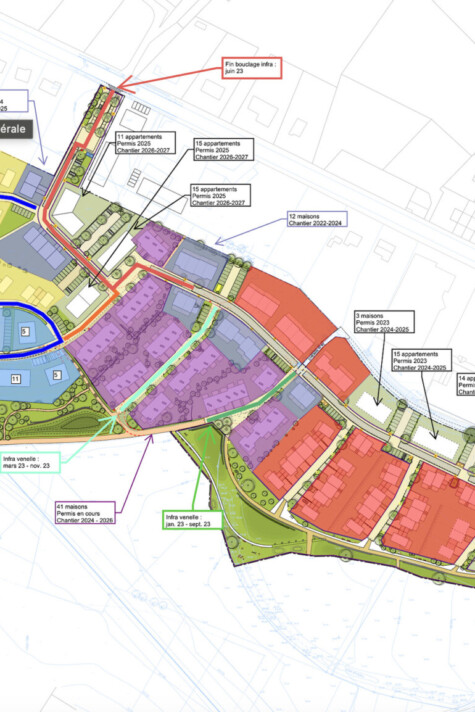
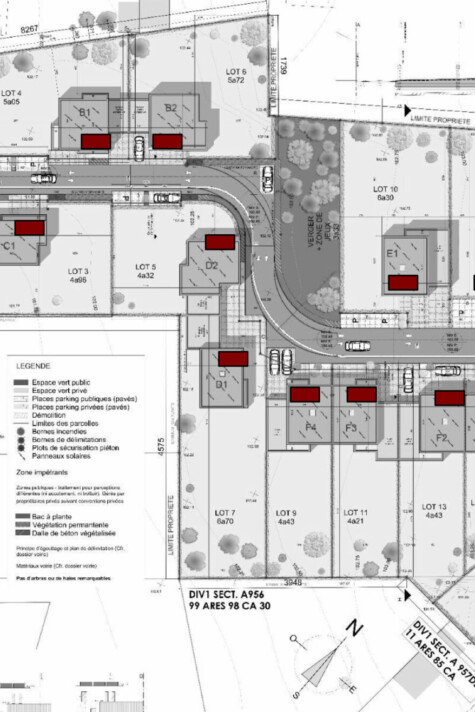
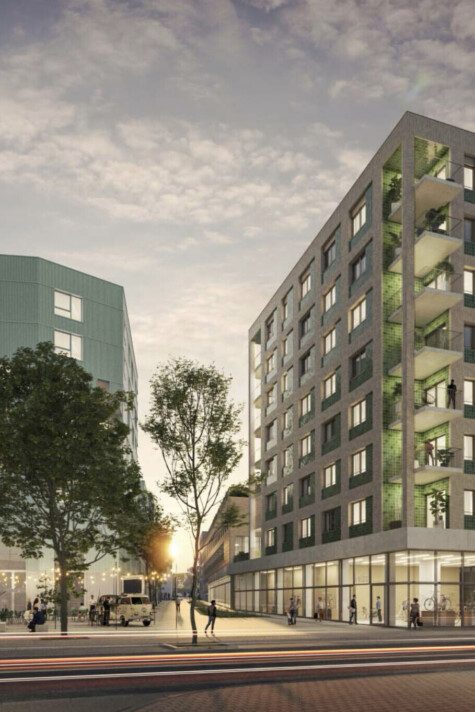
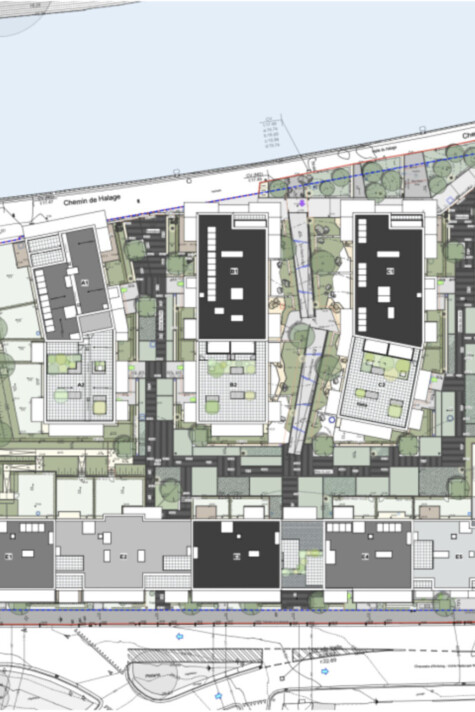
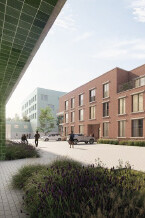
127 apartments, two office towers, a co-working space, a hotel and a restaurant.

Surface area (m2)
106,800

Heat source type
Closed-loop geothermal and aquathermal energy
Project number
K-0182
Location
North District
Contract type
DBFMO
Consumption
(heating/cooling)
8,880 MWh
Client
Bruxelles Environnement, Foyer Laekenois, Zin, WhiteWood
Use
Residential
Works start/end date
end 2025 – mid 2027
Amount excl. VAT
(entire project)
6.5 M€
Renewable energy for offices and housing
A Heating Network to Sustainably Power the North Quarter’s Infrastructure.
Project Objectives
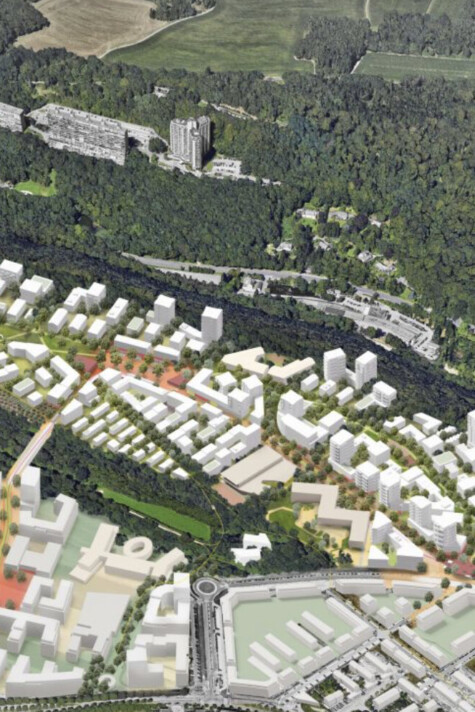
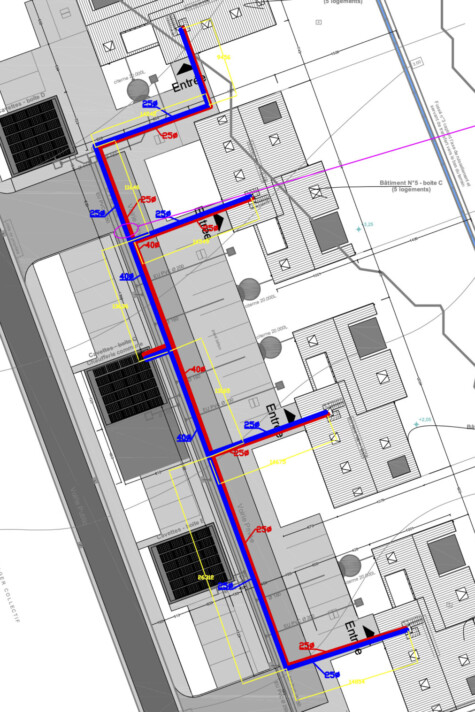
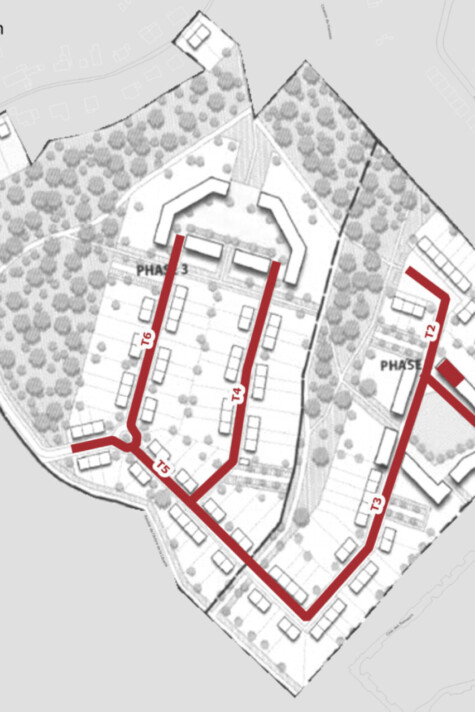
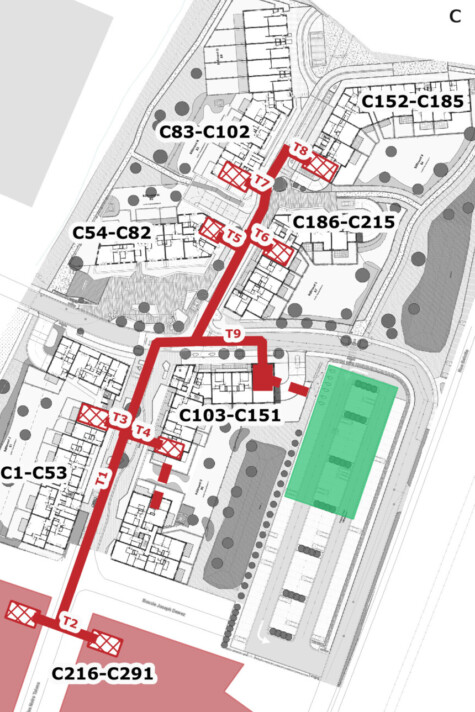
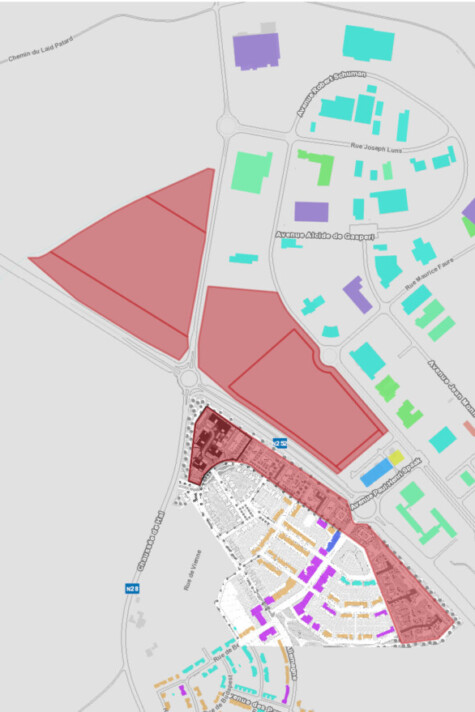
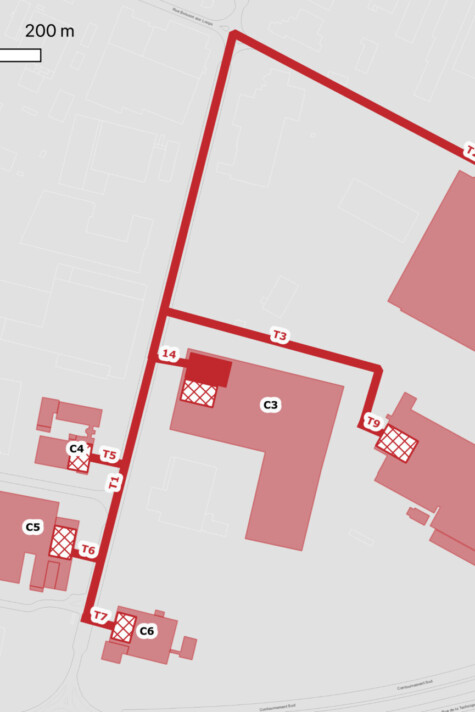
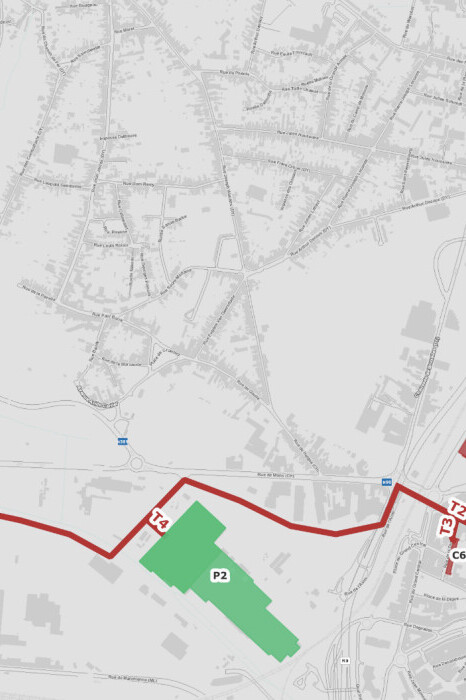
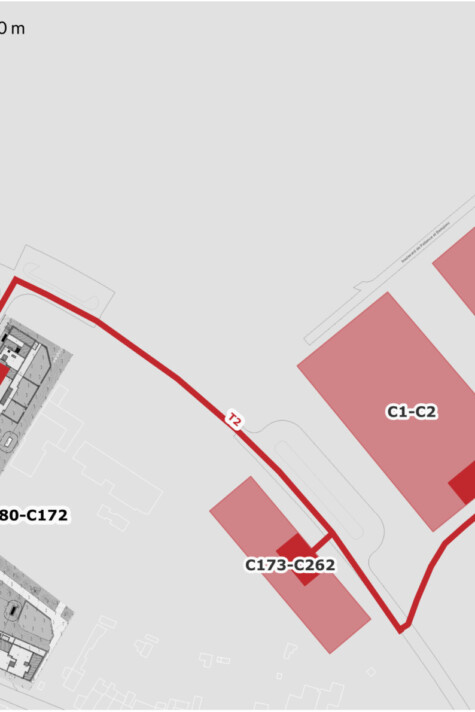
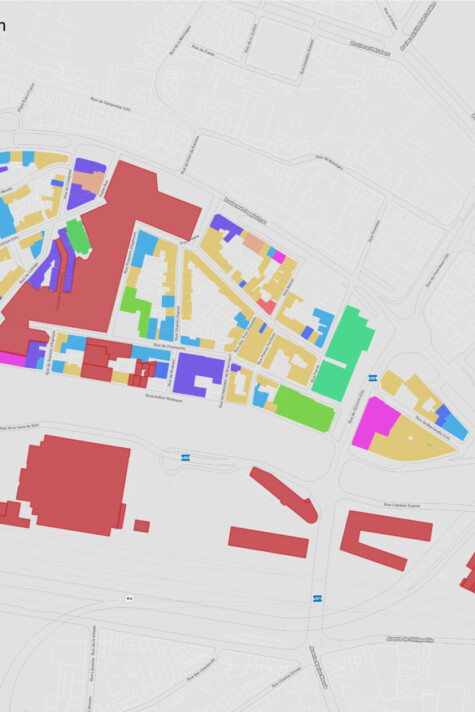
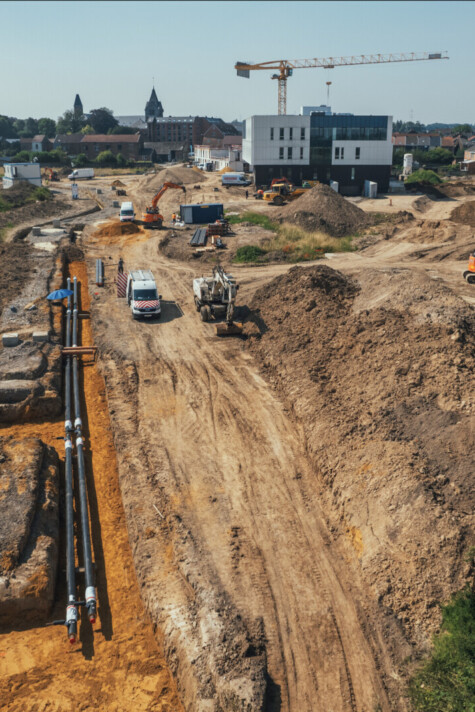
Be.SHARE is a European project in Brussels for a low-temperature heating and cooling network in the North district, powered by geothermal and riothermal energy. Led by Bruxelles Environnement in consortium with Sibelga, Vivaqua, Karno, VUB and Convivence.
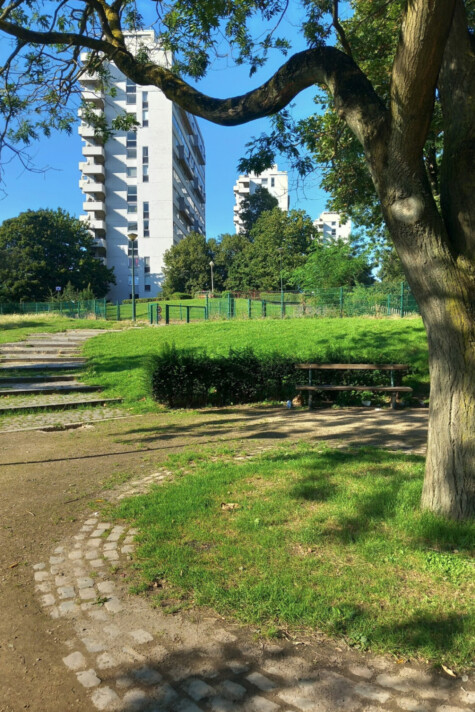
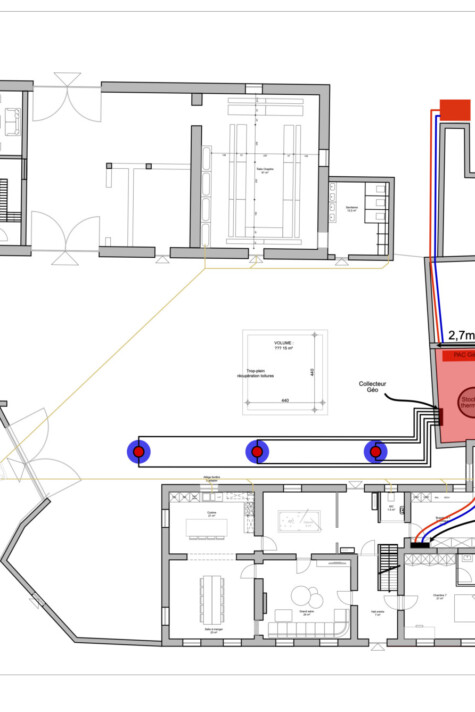
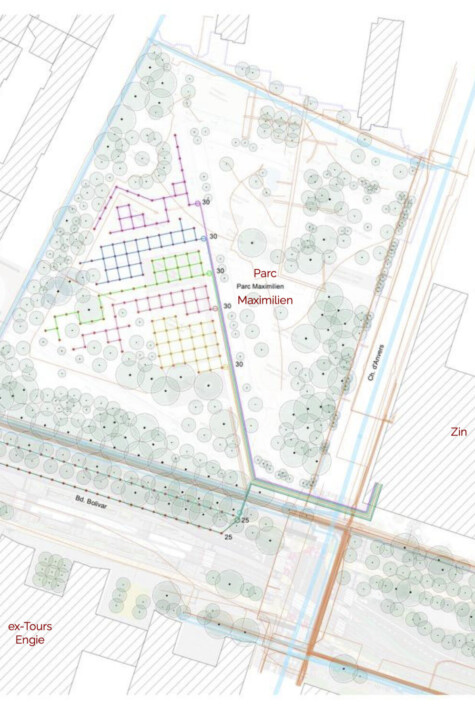
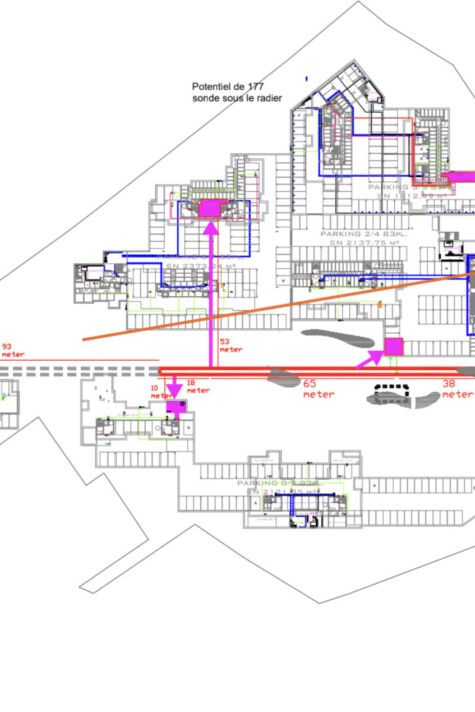
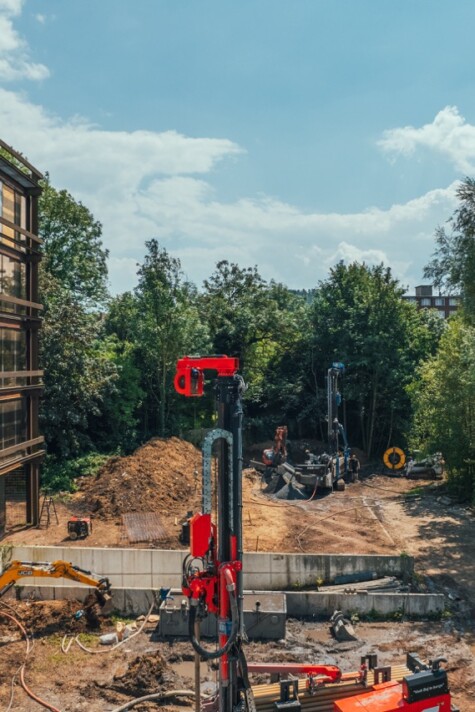
As part of the Be.SHARE project, KARNO is contributing its expertise to a low-carbon heating and cooling network being developed around the Parc Maximilien. A shallow geothermal system transforms the park’s subsoil into an energy reservoir: heat is stored in summer and released in winter, while the system also provides cooling in summer. The network will eventually supply office buildings, mixed-use buildings and social housing in the Quartier Nord, helping to reduce CO₂ emissions and lower energy bills.
Harnessing Geothermal Energy
Geothermal energy is a renewable energy source that relies on harnessing the heat naturally present in the subsoil. In district heating systems, it allows this heat to be captured via shallow or deep boreholes and then distributed through a hydraulic network. This technology has the advantage of being locally available, stable throughout the year, and low in greenhouse gas emissions. By mobilising this sustainable resource, it is possible to significantly reduce dependence on fossil fuels, while ensuring a continuous and controlled energy supply.
Riothermie, meanwhile, recovers heat from wastewater, whether domestic or from a sewer network or treatment plant. These waters, generally at a temperature between 12 and 20°C, are an attractive source of energy for heat pumps. By integrating it into a heating network, heat recovery allows for the recovery of local, constant, and hitherto under-exploited energy, thereby contributing to the decarbonisation of the heating sector while making use of a resource that is already available in the region.
The integration of geothermal and aquathermal energy into heating networks is therefore an important strategy for energy transition and carbon footprint reduction.
Project Impact

Energy Saved
8 880 MWH
Green heat produced over 1 year

CO2 Reduction
1 272,6 T
CO2 avoided per year

Reduced Costs
100%
Decarbonized heat


Benefits for the Community
The development of the North Quarter’s urban heating network offers concrete benefits for the community by providing an economical and green heat source. By utilizing renewable energy from geothermal and aquathermal sources, this project reduces costs and decreases the local carbon footprint, while contributing to a healthier and more sustainable environment.
Do You Have a Heating Network Project?
Our other Projects